Description
150Kva Silent Generator

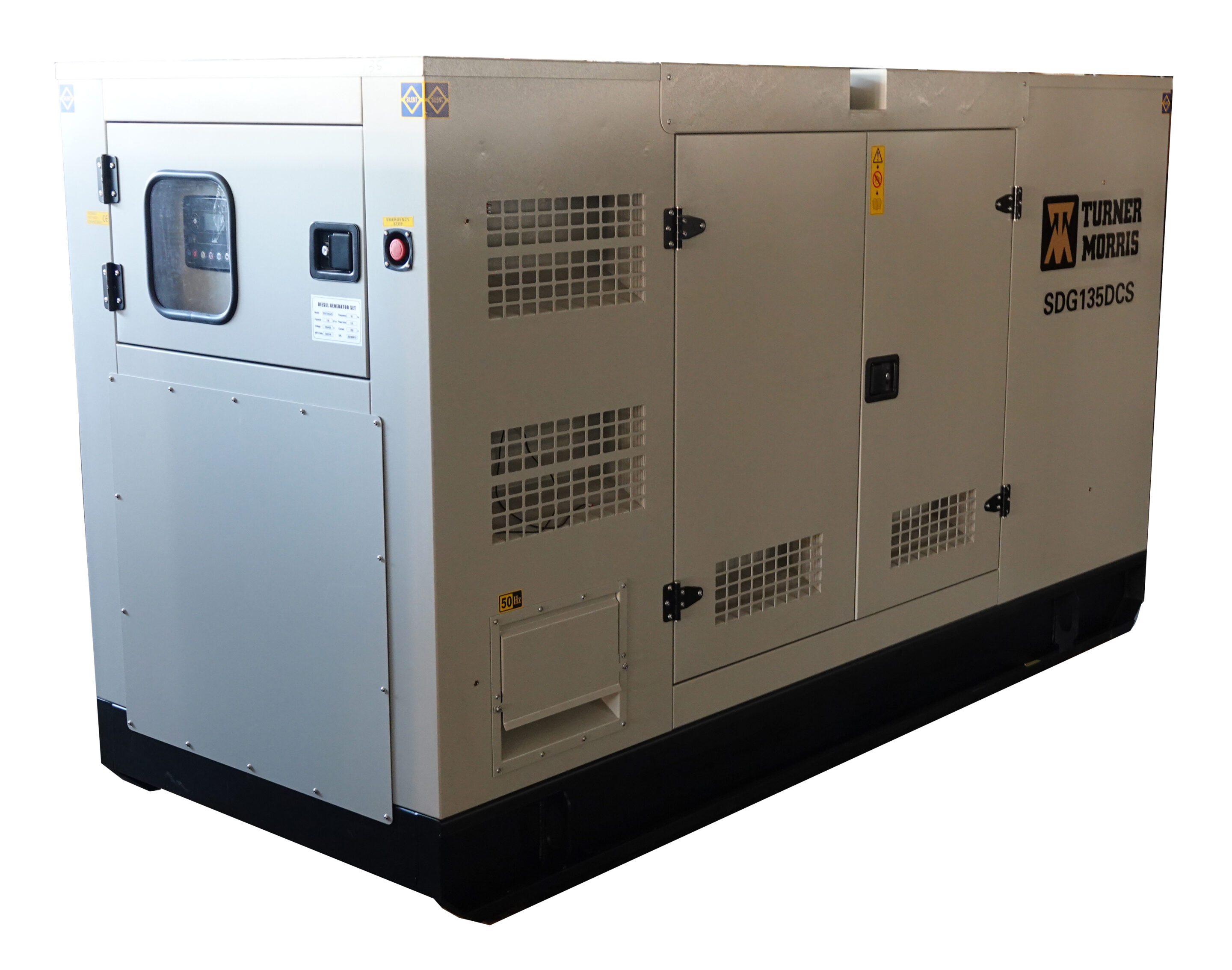

150Kva Silent Generator
Standby generators provide automatic backup power for residential, commercial, and industrial use during grid power outages
The starting procedure for a large standby generator can be performed automatically or manually. Both methods require mandatory pre-start checks to ensure safe and reliable operation.
Safety first
Secure the area. Keep the area around the generator clear of debris and flammable materials.
Prevent backfeeding. Never connect the generator directly to a building’s wiring by plugging it into a wall outlet. This is extremely dangerous and can electrocute utility workers. Use a properly installed automatic transfer switch (ATS)
Pre-start inspection
Before attempting to start, perform a visual inspection and check the following:
Fluids: Ensure engine oil, coolant, and fuel levels are adequate. Top up as needed.
Leaks: Check the engine, hoses, and connections for any fluid leaks.
Air filters: Check the air intake system and air filters for dirt or debris.
Exhaust: Ensure the exhaust system is free of obstructions and damage.
Battery: Inspect the battery, terminals, and connections for corrosion and ensure the battery charger is working properly. The battery provides power for the starter motor.
Check electrical connections: Look for any loose wiring or damaged electrical connections.
Automatic start procedure
In normal operation, large standby generators are left in “Auto” mode to start automatically when a power outage occurs.
1. Ensure “Auto” mode is enabled. Before an outage, verify that the generator controller is set to “Auto”.
2. Monitor the ATS. The automatic transfer switch (ATS) monitors the utility power supply.
3. Detect outage. When the ATS detects a loss of utility power, it initiates a transfer sequence. A time delay, typically a few seconds, prevents false starts from minor power fluctuations.
4. Signal generator to start. The ATS sends a signal to the generator controller.
5. Generator starts. The engine cranks and starts, accelerating to the correct voltage and frequency.
6. Transfer power. Once the generator is ready, the ATS transfers the electrical load from the utility to the generator.
7. Return to utility power. When utility power is restored, the ATS waits for a set period (the cool-down cycle) before switching the load back and shutting down the generator.
Manual start procedure
A manual start is used for maintenance or if the automatic system fails.
1. Set to manual mode. At the generator control panel, switch the mode selector to “Manual”.
2. Prime the fuel system. For diesel generators, you may need to manually prime the fuel system to remove any air pockets.
 Caution risk of electric shock